
Heat and Humidity Management for Seniors in Philadelphia
Stay Safe During Philadelphia's Hottest Days
Philadelphia summers can bring stretches of high temperatures and heavy humidity that make even simple daily activities uncomfortable. For older adults, these conditions can become more than an inconvenience. They can increase the risk of dehydration, heat exhaustion, heat stroke, falls, and other serious health concerns.
The good news is that a little planning goes a long way. By recognizing the warning signs of heat-related illness and making a few adjustments at home, seniors can continue living safely and comfortably throughout the summer. Whether you are caring for yourself or helping a loved one, these practical tips can help everyone stay healthier during the hottest months of the year.

Why Philadelphia Summers Are Especially Risky for Older Adults
Your parent's second-floor rowhome in West Philadelphia can stay above 85°F well past midnight during a July heat advisory, because brick absorbs heat all day and radiates it back through the night with no reliable cool-down window. July and August routinely push the heat index above 100°F, combining high temperatures with humidity that makes the air feel suffocating.
Older adults face this environment with a physiological disadvantage. The body's ability to regulate temperature declines with age: the sweat response slows, and the sensation of thirst becomes less reliable, so a senior can become seriously dehydrated before ever feeling particularly thirsty. Common medications compound the risk quickly. Diuretics, beta-blockers, antihistamines, and certain antipsychotics all interfere with the body's ability to cool itself or stay hydrated, and families managing a parent's prescriptions are rarely warned about this.
Nationally, adults over 65 account for a disproportionate share of heat-related deaths each summer, and urban residents in dense neighborhoods face higher exposure than suburban counterparts because of the heat island effect. For Philadelphia families, that context maps directly onto the block your parent lives on.
Recognizing the Warning Signs of Heat-Related Illness
Knowing what to look for can be the difference between a close call and a crisis. The two conditions to understand are heat exhaustion and heat stroke, and they are not the same emergency.
Heat Exhaustion
Heat exhaustion develops when the body loses too much fluid and salt through sweating. Signs include heavy sweating, cool or pale skin, a fast but weak pulse, nausea, muscle cramps, fatigue, and dizziness. A person experiencing heat exhaustion is still conscious and can usually respond to you. Move them somewhere cool, offer water in small sips, and apply a cool cloth. Most people improve within 30 minutes with these steps.
Heat Stroke
Heat stroke is a medical emergency. Body temperature climbs above 103°F, the skin turns hot and red, the pulse becomes rapid and strong, and confusion or loss of consciousness can follow. Call 911 immediately.
The complication with older adults is that warning signs do not always appear in the expected order. Seniors often sweat less efficiently than younger adults, so the heavy sweating that would typically signal heat exhaustion may be absent entirely, making it harder to catch the problem early. For a parent living with Alzheimer's, dementia, or Parkinson's, the challenge is greater still. These conditions can blunt the ability to recognize or communicate discomfort, which means your parent may not say anything is wrong even when it genuinely is.
Frequent check-ins during heat advisories matter precisely because of this. Your parent is unlikely to call you and say something is off.
Practical Cooling Strategies for the Home
Start with something basic: know what the thermostat is actually set to. During peak heat hours, roughly noon to 6 PM, keep it at 78°F or below. Fans help circulate air and make a room feel more comfortable at moderate temperatures, but once outdoor temperatures climb past 90°F, a fan alone cannot prevent heat-related illness in an older adult, since it only moves hot air around.
Air Conditioning and Fans
Close blinds and curtains on south- and west-facing windows before midday. Radiant heat through glass builds up fast in a rowhome, and by early afternoon an unshaded room can feel 10 to 15 degrees hotter than the rest of the house. Walk through the home with your parent, or ask their caregiver to do this, and identify the coolest room. That becomes the daytime retreat during a heat advisory, whether it's a first-floor bedroom, a shaded living room, or a spot near the central unit's return vent.
Cooling Without Central AC
Plenty of Philadelphia's older rowhomes have window units in one or two rooms but nothing more. For those situations, a few low-cost measures add up: lightweight cotton or linen bedding, a damp cooling towel on the neck or wrists, and a small misting spray bottle kept in the refrigerator. Skip the oven during afternoon hours. Cold meals, fruit smoothies, or a slow cooker that generates far less ambient heat all keep the kitchen from becoming a hazard.
For homes with no AC at all, the City of Philadelphia opens cooling centers during heat advisories. Your parent can find locations through phila.gov or by calling the Philadelphia Corporation for Aging helpline at 215-765-9040.
Hydration: More Than Just Drinking Water
Thirst becomes an unreliable signal as people age. The sensation genuinely diminishes over time, which means your parent can be significantly under-hydrated before feeling any urge to drink. On a typical summer day, 6 to 8 cups of fluid is a reasonable baseline, and that number rises during a heat advisory.
The most practical approach is building hydration into the day's existing rhythm rather than leaving it to chance. A glass of water with each meal, one mid-morning, one mid-afternoon. Variety helps too: water-rich foods like watermelon, cucumber, and broth-based soups contribute real fluid volume without requiring your parent to track ounces. Alcohol, caffeine, and sugary sodas pull fluid out faster than they put it in, so those are worth limiting on the hottest days.
One important caveat: seniors managing heart failure, kidney disease, or certain other conditions may have physician-ordered fluid restrictions. Before adding extra fluids, check with their doctor.
A consistent caregiver makes this much easier in practice.
Chosen Family caregivers weave hydration reminders and hydrating meal preparation into everyday routines, so the habit stays on track even when your parent insists they are not thirsty. To talk through what that kind of daily support looks like, reach the team at Chosen Family Home Care at (267) 457-4122.
Outdoor Safety and Activity Planning During Summer
Keeping your parent indoors all summer is neither realistic nor healthy, since isolation carries its own serious risks for older adults. The real goal is timing and preparation. Early morning outings, before 10 AM, give your parent cooler air and a lower UV index that make a walk, a porch visit, or a medical appointment far more manageable. After 6 PM works similarly on most summer evenings, and the hours in between are the ones worth protecting against.
Before heading out, apply a broad-spectrum SPF 30 or higher sunscreen. Older skin burns faster and recovers more slowly, so building this into the routine matters. Light-colored, loose-fitting clothing and a wide-brimmed hat do more than you might expect to cut down heat absorption. For transportation, make sure the vehicle has been running with the AC on for a few minutes before your parent gets in, since a hot car interior heats up dangerously fast, and leaving any senior unattended in a parked car, even briefly, is a genuine risk in July and August.
Chosen Family's transportation assistance takes a layer of that logistical stress off your plate, with a caregiver who handles the planning so outdoor time stays enjoyable rather than exhausting.
How In-Home Care Helps Seniors Stay Safe Through Philadelphia Summers
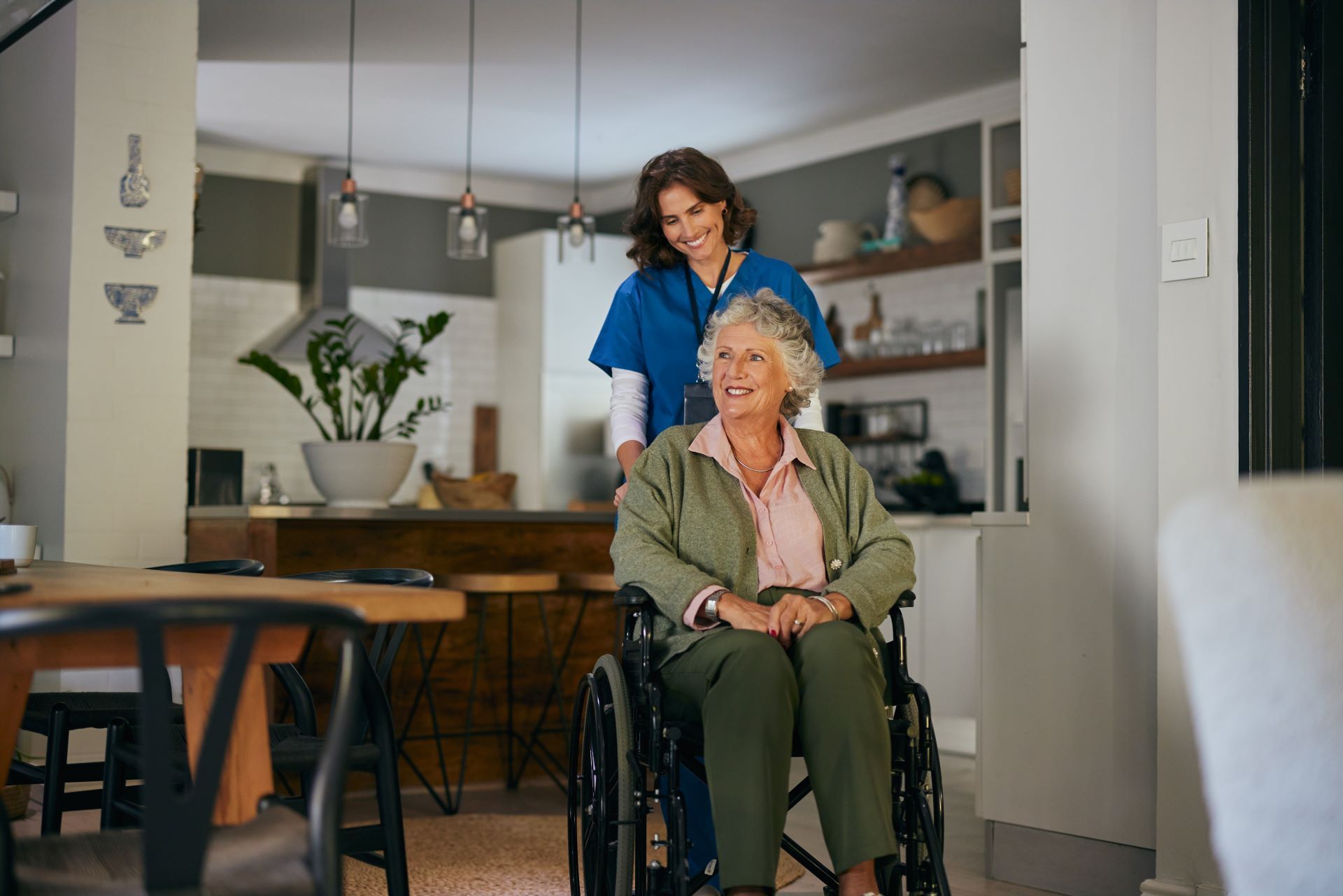
Regular in-home care adds a layer of consistency that phone check-ins simply cannot match. A caregiver who visits regularly already knows your parent's baseline, whether that's how much water they typically drink by noon or how alert they usually seem after lunch. That familiarity makes it far easier to catch early warning signs before heat exhaustion progresses.
On a practical level, a caregiver can prompt hydration throughout the day, prepare cooling meals, keep medication schedules on track (especially important given the heat interactions described above), and notice cognitive or physical changes that a family member working across town might miss entirely.
Chosen Family matches caregivers by language and cultural background, which matters more than it might seem during a heat emergency. Seniors under physical stress sometimes revert to their primary language or become less communicative in ways that a well-matched caregiver recognizes immediately, where a stranger might not.
Respite care is also worth considering if you've been the primary person managing your parent's summer safety. Caregiver burnout is real, and having a trusted person step in for a day or two provides genuine relief.
Get The Home Care Your Family Deserves
At Chosen Family Home Care, every care plan is personalized to meet each client's needs. We proudly serve seniors and individuals with disabilities throughout Philadelphia while matching clients with caregivers based on language, culture, and personal preferences whenever possible. Our goal is to help every client live independently with dignity in the comfort of home.
Contact our team today!
Recent Posts