


6 Bathing Tips For Seniors and Caregivers

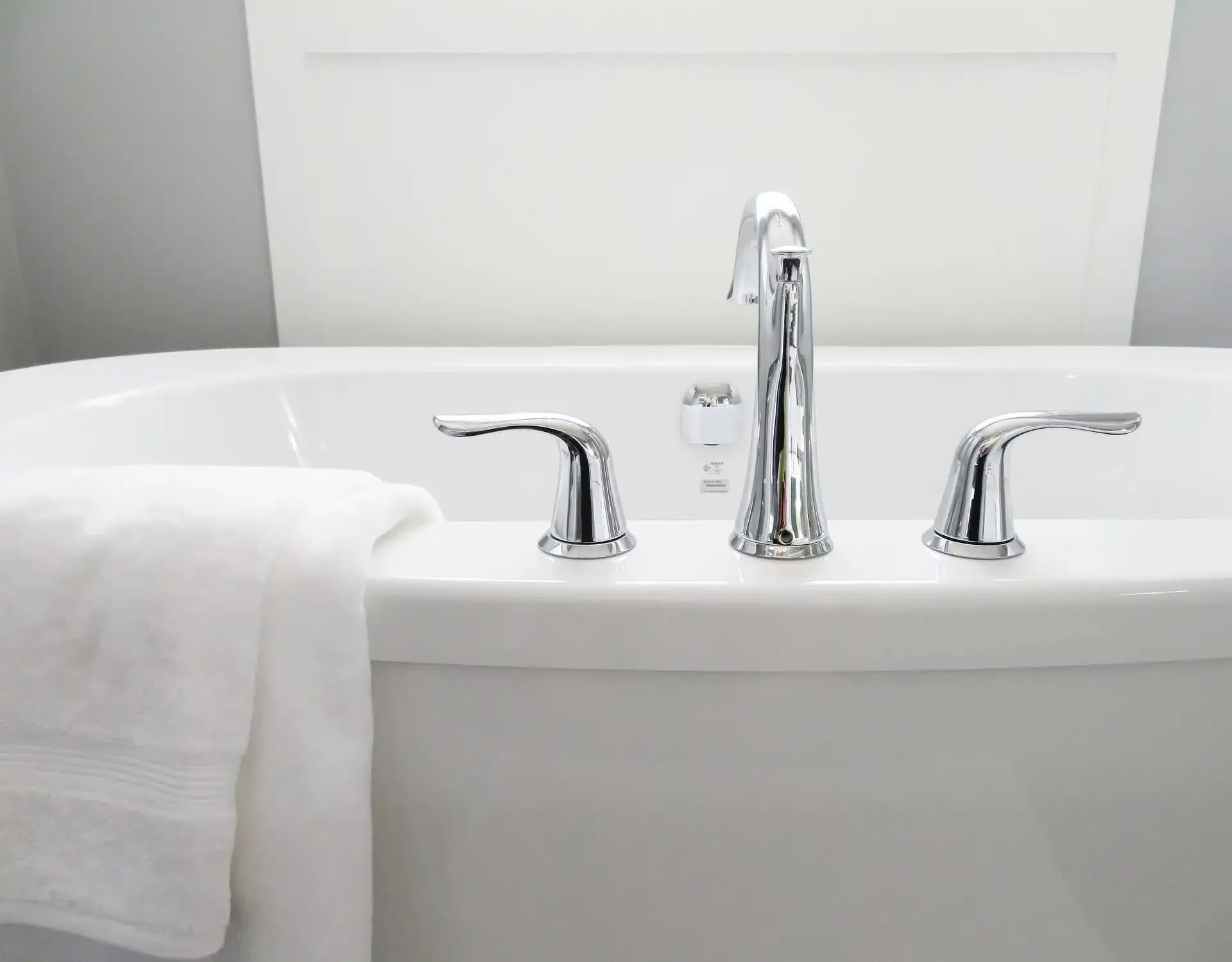
White bathtub with chrome fixtures and a folded white towel.


It’s easy to take for granted activities of daily living like bathing when you are an active and healthy adult. If you or a loved one has lost mobility and function with age, you will realize the challenges that come with bathing. You also may encounter resistance to bathing, for a variety of reasons.

With these challenges also come health hazards and lurking dangers. As many as 70 percent of the falls that occur within the home happen right in the bathroom. As a result, it is critical to consider ways to minimize health hazards while also making the intimate and personal experience of bathing as comfortable as possible for those receiving assistance and care. 

Below you will find the 6 tips to a safer and more pleasant senior bathing experience experience.


Building rapport and trust

If there is resistance to bathing, work to find out why. Ask about their recent bathing experiences while educating on the importance of bathing. Finally, don’t make it mandatory but rather provide words of encouragement and don’t make them upset or feel guilty about not bathing should that be the challenge. 


Safety  

Not only is safety the top consideration for bathing elders , but if your loved one resists bathing it may also be due to their fear of falling. By ensuring a safe environment you not only help prevent falls or accidents but you can allay concerns for the individual bathing. Consider assistive devices like bath seats, grab bars, and bath mats for safety but also to enhance the independence of the person bathing. This could also alleviate the burden and stress on the caregiver . You may need to consider sponge baths if mobility is a major concern or if fall risks cannot be adequately mitigated. Be mindful of the water temperature as much as possible for safety and also comfort. 


Ensure privacy

There’s almost nothing more personal than bathing and showering. Regardless of your relationship with the individual, respect the intimacy of the situation. Have a privacy towel or rags available to them while they are being bathed, and have towels and robes available while transferring them out of the bathtub. 


Develop a bathing schedule  

It may be helpful to create a consistent bathing routine. That eliminates any discussion of “if” they are going to shower to “when” they are going to shower. Keep in mind when developing a bathing routine that it isn’t necessary to bathe every day. Skin tends to be drier and more fragile so bathing daily could potentially do more harm than good. Plus, as we age, we sweat less. Some caregivers may find that daily bathing as a routine is actually easier to implement. Just keep this in mind and consider sensitive bathing products. 


Make it as warm and inviting as possible

Make bathing an event that they can look forward too. Warm up the bathroom first including using a space heater as needed. Make the experience fun by providing robes and slippers for use, and add ambiance through soft music. Finally, you can use scented moisturizing lotions and body washes that your loved one can appreciate and relax to. Just be sure that it is gentle and non-irritating, especially with daily bathing or those with sensitive skin. 


Give them control

Give your loved one the ability to choose their bathing times when possible. Let them choose the bath products used and listen to other ways they can personalize the experience. Promote independence by resisting yourself from doing things that the individual can do themselves. Monitor how they function with bathing themselves and assist as needed. Take your lead from them as to how much help they need. They may be slower at doing activities that you can assist with, but don’t be impatient. Make sure that bath times don’t have you as a caregiver in a rush. 


Caregiving can present many challenges, but remember that some things take time. Bathing your loved one can be one of the more difficult activities of daily living to coordinate and carry out. Try to enjoy the time you spend together and, with practice, the process will become easier and can hopefully be a time for reflection and connection with your loved one. For those that need a little extra assistance, Chosen Family Home Care can be a partner in assisting you and your loved one with the care needed to ensure independent living at home. 


Recent Posts

Caregiver smiling with clipboard beside a wheelchair user reading outdoors on a sunny patio
April 30, 2026
Learn how to find reliable and qualified caregivers in Philadelphia. Get tips to choose safe, compassionate home care for your loved one.

Three people in a meeting discuss documents at a table in a bright room.
April 30, 2026
Learn how Medicaid waiver home care works in Pennsylvania, who qualifies, and how to get started. Stay at home with the support you need.

Woman smiles while showing a laptop to two seated people at a table in a bright room.
April 27, 2026
Learn whether home caregivers are background checked in Pennsylvania, what families should ask, and how agencies help protect clients at home.

Two women reviewing documents together at a wooden table in a bright office
April 23, 2026
Learn how family caregivers can get paid in Pennsylvania. Explore programs, options, and support available to you. Contact us for guidance.

A healthcare worker in blue scrubs helps a smiling person walk indoors, holding their hand for support.
March 26, 2026
Learn home care costs in Philadelphia for 2026. See hourly rates, monthly estimates, and payment options. Get a personalized care plan today.


Contact Us Today For Our Services