
Home Safety Checks for Fall in Philadelphia: Preventing Slips, Trips, and Cold-Weather Hazards for Seniors
The CDC puts the odds of a fall causing a serious injury at 1 in 5, but that statistic wasn't calculated for South Philly rowhouse stoops covered in wet October leaves. Philadelphia's pre-1950 housing stock introduces hazards that most fall-prevention guides don't account for: steep interior stairs, century-old uneven brick walkways, and single-railing front stoops with a two- or three-step drop right at the door.
Fall prevention for seniors in Philadelphia goes well beyond grab bars and non-slip mats, though both matter. The city itself creates seasonal hazards that suburban ranch homes simply don't have, and daylight is gone by 6 p.m. before most families have thought through any of this.
This guide covers room-by-room checks, outdoor hazards, and local resources worth knowing before winter prep turns into an emergency project. It also addresses what to do when a safety checklist alone isn't enough, because sometimes the most protective thing in your parent's home isn't a grab bar. It's a consistent, attentive person who knows how they move and what they need.
Why Philadelphia's Fall Season Raises the Fall-Risk Stakes for Older Adults
Rowhouses built before 1950 weren't designed with aging in mind. In Germantown, Kensington, West Philly, and dozens of other Philadelphia neighborhoods, that means steep interior stairs, hallways barely wide enough for two people, and brick front stoops that look charming until they're slick with wet leaves in October. Those surfaces don't change, but the season does, and that combination is exactly what makes autumn a higher-risk period than most families anticipate.
Wet leaves on front steps and SEPTA sidewalk access points are a hazard the Philadelphia Corporation for Aging flags every fall. A leaf-covered brick stoop offers almost no grip, and most rowhouse stoops have a single railing at best. Add a rainy Tuesday morning and the math gets concerning fast.
Daylight saving time makes things worse in a way that's easy to miss. A senior who walks to the corner store at 6 p.m. has been doing that for years, but suddenly that routine happens in near-darkness without any change to their habits or awareness.
There's also what happens indoors as temperatures drop: people move less. Even a few weeks of reduced movement leads to measurable losses in leg strength and balance, and those are exactly the physical resources your parent relies on to catch themselves before a fall. Right now, before the first frost, there's still time to address both the environment and the routine.
The Room-by-Room Safety Walk: What to Actually Look For
Walking through your parent's home with fresh eyes, the way a caregiver would before a first shift, reveals hazards that become invisible when you've been looking at the same rooms for years.
Entryways and Exterior Steps
Start outside. Grip the front railing firmly and put your weight on it. In older Philadelphia rowhouses, many railings are decorative metalwork that was never meant to bear a person's full weight, and layers of paint can hide bolts that have worked loose from the mortar over decades. If it wobbles, that's a structural fix, not a wipe-down. Check each step for crumbling edges or lifted corners. The doormat is worth a close look too: one that slides or bunches under a foot is among the most common and most fixable hazards. Replace it with one that has a solid rubber non-slip backing before the first wet day arrives.
Bathroom: The Room Most Likely to Cause a Serious Fall
Properly anchored grab bars beside the toilet and inside the shower are the single highest-impact change most families can make. Towel bars aren't a substitute; they pull from the wall under load. Inside the tub or shower, a non-slip bath mat, a handheld showerhead, and a shower chair or bench are low-cost additions that meaningfully reduce risk during the moments no one else is present. One family who came to Chosen Family described their grandmother reaching a point where she could no longer safely manage her daily routine on her own, and consistent hands-on support became necessary. The right equipment reduces acute danger, but it doesn't replace that help.
Bedroom and Hallways After Dark
The trip from bed to bathroom at 2 a.m. is the highest-risk moment of the day for many seniors. A motion-activated nightlight along that path costs very little and removes the need to fumble for a switch while half-asleep. Phone charger cords and heating pad cables on the floor should be routed along baseboards entirely. In hallways, keep a clear 36-inch walking path and remove any area rugs without non-slip backing, because tape-down edges lift over time and catch feet just as reliably as a loose rug would.
Kitchen and Living Areas
Move the items your parent reaches for every day to a zone between hip and shoulder height, so they're not stretching overhead or crouching toward low cabinets. Step stools without a handlebar should come out of the kitchen entirely. In the living room, the question is simple: is there an unobstructed path from the most-used chair to the bathroom? Furniture arrangements that made sense years ago can create a maze of corners and obstacles that anyone with a balance difficulty has to navigate carefully every single time.
Removing loose rugs and improving lighting addresses the environment, but it doesn't address the person moving through it. A proper fall risk assessment looks at gait stability, vision changes, and medication effects, because many common blood pressure and sleep medications can cause dizziness or slower reaction times that no grab bar can fully compensate for. Cognitive factors matter too; a parent who forgets to use their walker half the time is at risk even in a perfectly arranged home.
Families often notice furniture-grabbing before they consciously name it as a warning sign. If your parent is touching the counter, the chair back, or the wall while moving through a room, that's a compensating behavior worth taking seriously.
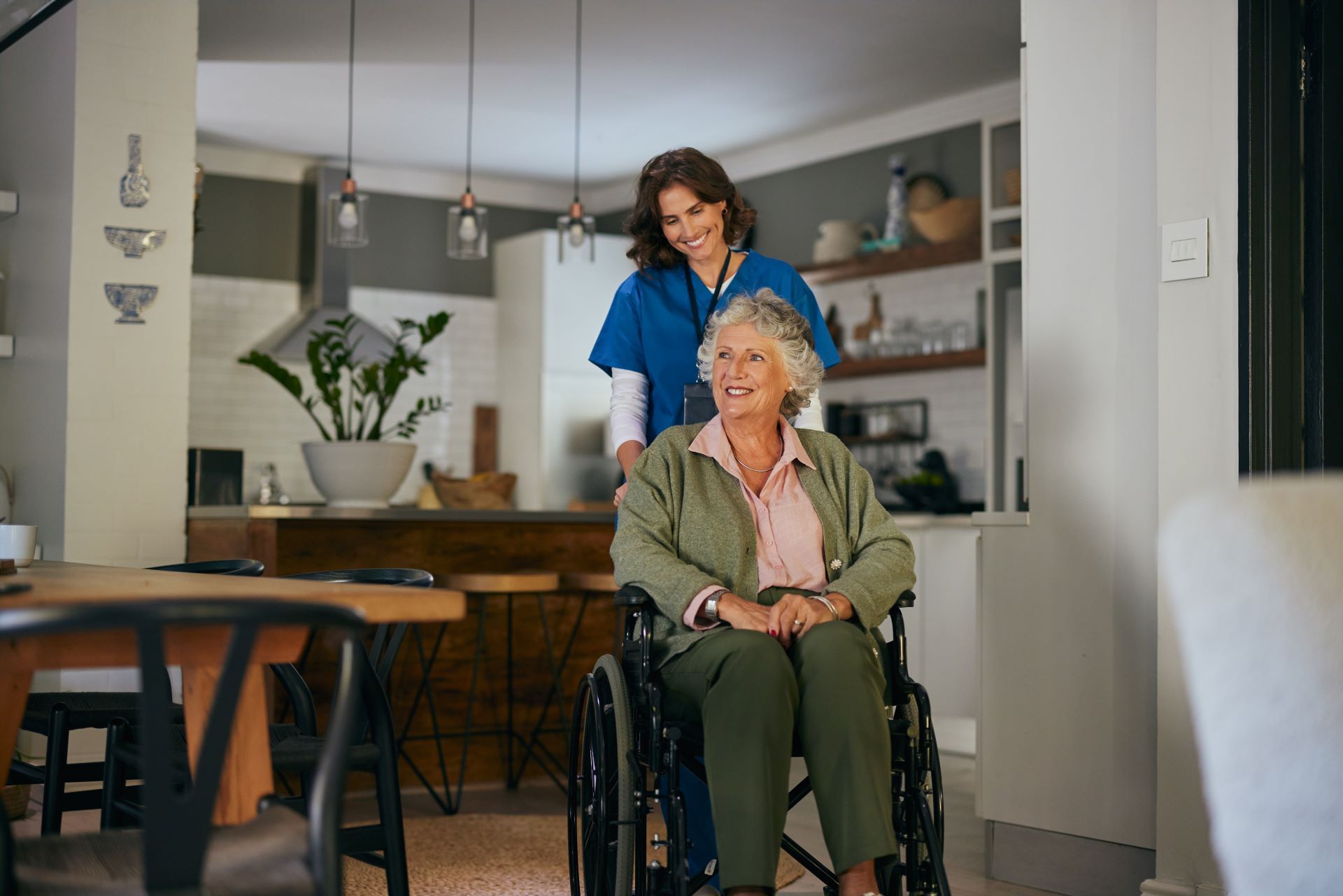
This is where consistent caregiving picks up something a one-time checklist can't. A caregiver who shows up regularly learns a client's baseline, and Brett's approach to caregiver matching at Chosen Family means the same person returns visit after visit. They notice when a client's gait shifts or when getting up is slower than usual, and they can flag those changes to the family or care coordinator before anything becomes a crisis.
For clients covered through Keystone First, PA Health and Wellness, or UPMC (all plans Chosen Family is contracted with), fall prevention support can often fit within the existing coverage structure. Ask your plan directly what's included, or call Chosen Family at (267) 457-4122 and someone on the team can tell you what they're seeing with those plans in practice.
One honest note: an in-home caregiver isn't a physical therapist or occupational therapist. If your parent has had a recent fall, a diagnosed balance disorder, or significant mobility impairment, a clinical PT or OT assessment is the right starting point. What a caregiver does is support and sustain the plan that comes out of that evaluation.
Does In-Home Care Actually Reduce Fall Risk, or Does It Just Respond After the Fact?
Honestly, both can be true, and which one you get depends almost entirely on how care is structured.
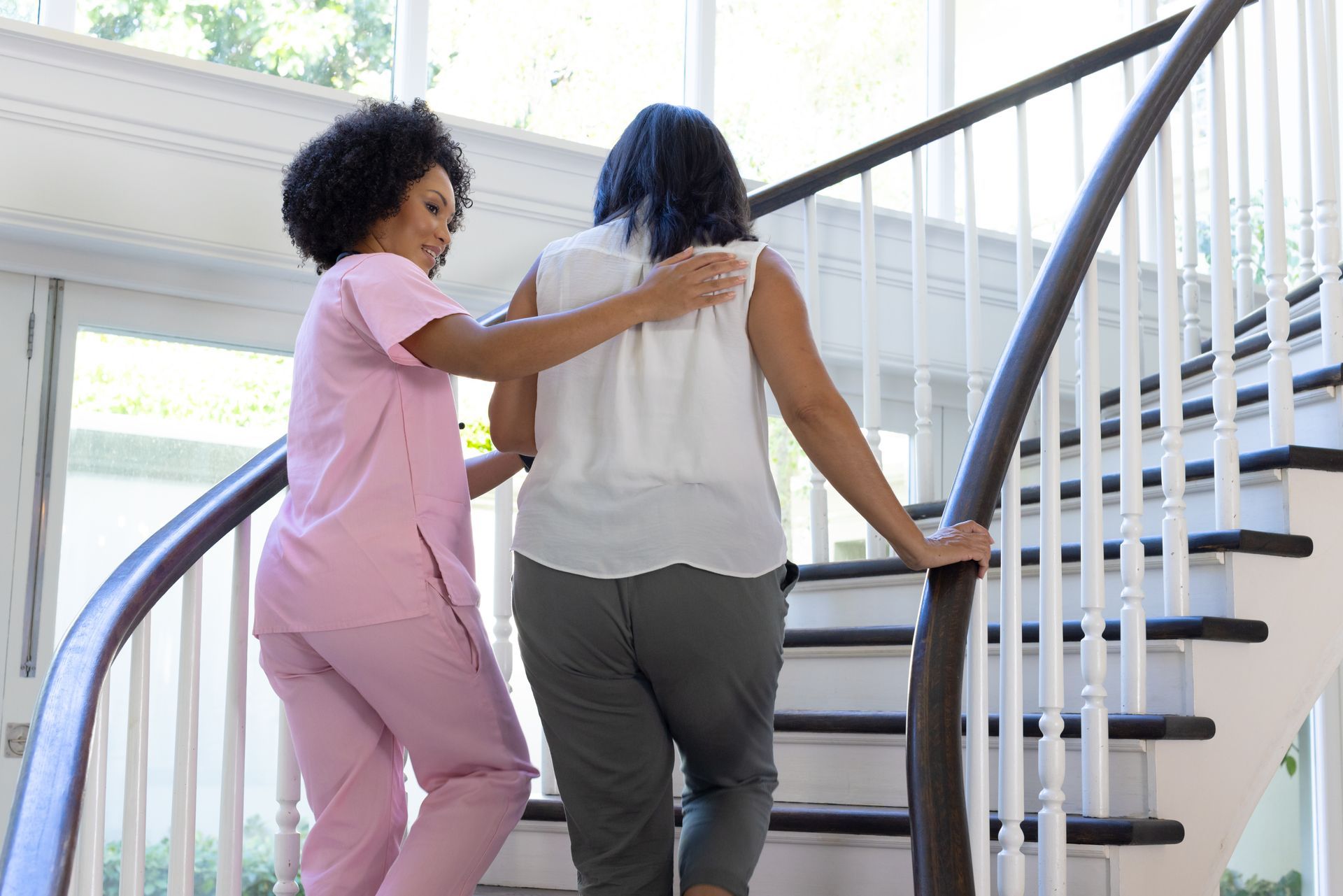
A caregiver present during the highest-risk moments of your parent's day, getting out of bed, stepping into the shower, navigating a narrow rowhouse staircase before a doctor's appointment, actively prevents falls by providing physical support at exactly those points. Getting to the appointment safely matters too: for many Philadelphia seniors, the most dangerous mobility moment isn't inside the home. It's stepping off a SEPTA platform in the rain or climbing out of a rideshare on uneven pavement. Accompaniment to appointments is one of Chosen Family's services, and it addresses that specific gap.
Consistent caregiver assignment is what makes this work in practice. A caregiver who knows your parent's gait, which side they favor on the stairs, how tired they get by mid-afternoon, can anticipate unsteadiness in a way a rotating staff member simply can't. One family put it plainly: "peace of mind knowing my loved one is in such compassionate and capable hands." That's partly emotional, but it reflects something concrete: reliable, familiar presence is the actual mechanism of fall prevention in daily home care.
For hours when no caregiver is present, a medical alert device is a reasonable complement, though it's not a substitute for consistent hands-on support.
Preparing for Winter: The Follow-Up Checks Families Forget After the Fall Season
November brings a different set of hazards, and most families aren't thinking about them until something goes wrong. The fall safety checklist gets done in October, and then winter introduces a whole new layer of risk that catches people off guard.
Space heaters are a good example. Placed near a doorway or running off an extension cord stretched across a hallway, they create a trip hazard on top of a fire risk. Check placement before the first cold snap, not after.
Exterior steps need a clear plan too. If your parent's routine includes walking to the stoop for the mail or dragging a trash bin to the curb, that same trip after an overnight freeze becomes genuinely dangerous. Someone needs to be responsible for salting or sanding those steps, and that responsibility shouldn't be assumed.
Two things about winter and fall risk that don't get much attention:
- Heavy boots with thick soles and bulky coats change how a person walks, making it harder to clear thresholds and stair edges. Caregivers accompanying clients outdoors should factor this in.
- Heated indoor air is dry, and seniors often don't register thirst the way younger adults do. Mild dehydration and reduced winter activity both chip away at balance and muscle responsiveness over weeks.
For families coordinating care through a Medicaid waiver or the Pennsylvania Office of Long Term Living, seasonal changes in care needs can be reviewed with the team at
Chosen Family. If your parent's routine is shifting because of cold weather, that's a practical reason to revisit the care plan before a problem develops.
Keep Your Loved One Safe This Fall and Winter With Trusted Home Care in Philadelphia
Creating a safer home is one of the most important steps you can take to protect an aging loved one from falls and seasonal hazards. From securing loose rugs and improving lighting to preparing outdoor steps for icy weather, small changes can make a meaningful difference. But fall prevention goes beyond home safety improvements. Having reliable, compassionate support can help seniors navigate daily activities with greater confidence and independence.
At Chosen Family Home Care, we're committed to helping Philadelphia seniors remain safe, comfortable, and independent in the place they call home. Our experienced caregivers provide personalized assistance with mobility, bathing, daily routines, and other activities that may become more challenging as the seasons change. Whether your loved one needs occasional assistance or ongoing in-home care, our team is here to help your family find the right level of support.
Don't wait for a fall or injury to start thinking about your loved one's safety. Take the next step toward a safer home and greater peace of mind.
Recent Posts