
Flu, RSV & COVID in Philadelphia: A Caregiver’s Action Plan for 2026–2027
As Philadelphia enters the 2026–2027 respiratory virus season, families caring for older adults face an important question: How can we protect our loved ones from the flu, RSV, and COVID-19 while keeping them safe and comfortable at home?
For seniors, especially those managing chronic health conditions or weakened immune systems, respiratory illnesses can lead to serious complications. What begins as a mild cough or fatigue may develop into breathing difficulties, dehydration, or hospitalization.
Fortunately, caregivers can take practical steps to reduce these risks.
From scheduling vaccinations to recognizing early warning signs, having a clear plan can make respiratory illness season less stressful for everyone involved.
At
Chosen Family Home Care, we understand how important it is for Philadelphia families to feel confident about their loved ones' safety. This guide provides a practical action plan to help caregivers prepare for flu, RSV, and COVID-19 throughout the 2026–2027 season.
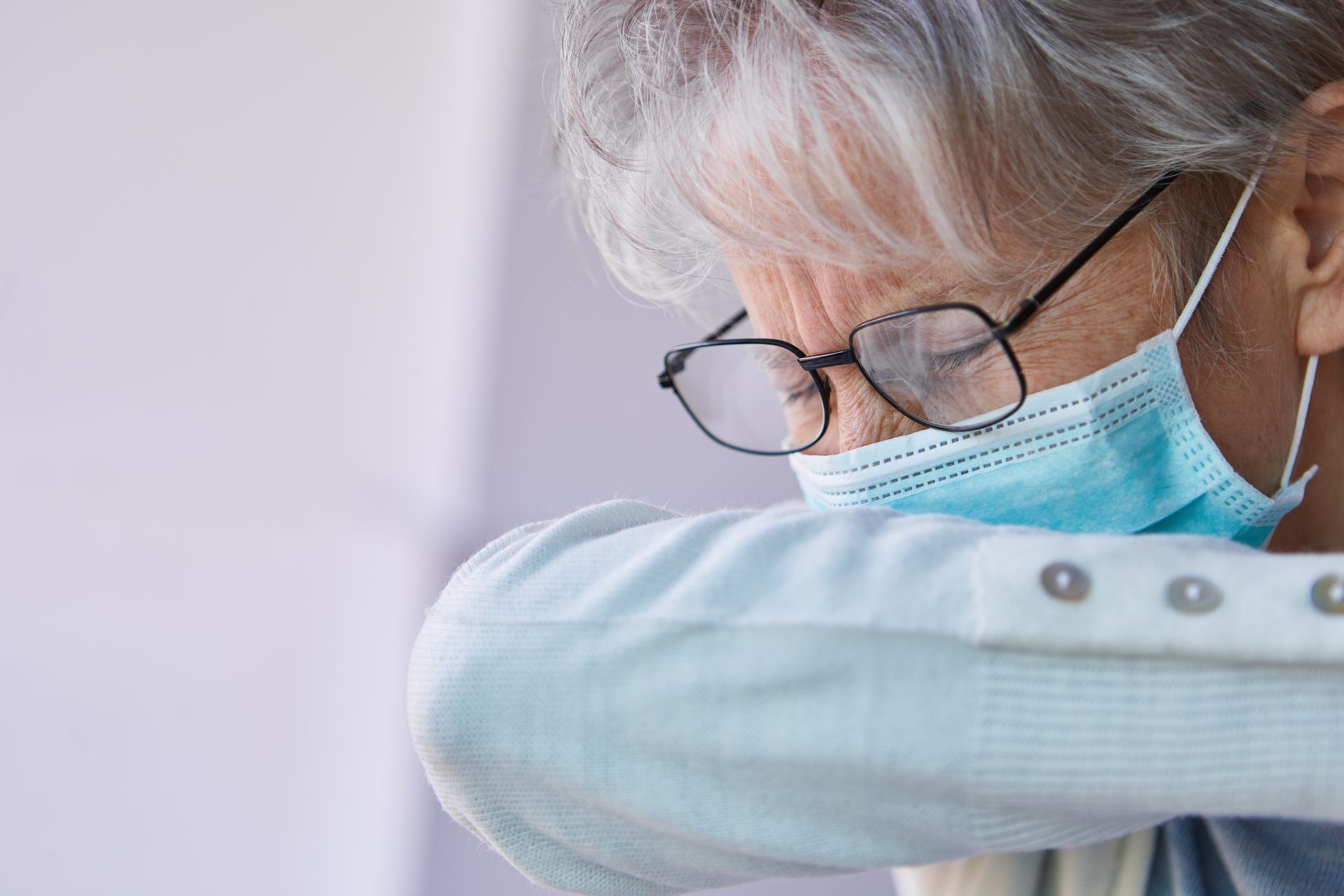
Understanding Flu, RSV, and COVID-19 in Older Adults
Although influenza, respiratory syncytial virus (RSV), and COVID-19 are caused by different viruses, they share several symptoms and can all cause serious illness in older adults.
Influenza (Flu)
Influenza is a contagious respiratory infection that typically circulates more frequently during fall and winter.
Common symptoms include:
- Fever or chills
- Cough and sore throat
- Muscle aches and headaches
- Fatigue and weakness
- Runny or stuffy nose
Older adults may not always develop a fever. Influenza can also worsen existing medical conditions and lead to complications such as pneumonia.
Respiratory Syncytial Virus (RSV)
RSV is often associated with infants and young children, but it can also be dangerous for seniors.
Symptoms may include:
- Persistent coughing
- Congestion or runny nose
- Wheezing
- Reduced appetite
- Difficulty breathing
Adults with heart disease, chronic lung conditions, or weakened immune systems may be especially vulnerable to severe RSV infections.
COVID-19
COVID-19 continues to circulate and can cause symptoms ranging from mild respiratory discomfort to serious illness.
Common symptoms include:
- Cough or sore throat
- Fever or chills
- Fatigue
- Shortness of breath
- Congestion
- Headaches or body aches
Some older adults may also experience unusual weakness, confusion, or a noticeable decline in their ability to perform everyday activities.
Important: Symptoms alone cannot reliably distinguish these infections. Testing and medical evaluation may be necessary, particularly for people at increased risk of complications.
Step 1: Review Vaccinations Before Respiratory Virus Season
Vaccination is one of the most effective ways to reduce the risk of severe respiratory illness.
For Philadelphia caregivers, reviewing a loved one's vaccination history should be an early priority.
Flu Vaccination for 2026–2027
The CDC recommends annual influenza vaccination for everyone six months and older, with limited exceptions.
For adults aged 65 and older, the CDC preferentially recommends certain higher-dose, recombinant, or adjuvanted flu vaccines when available.
The ideal goal is to receive the seasonal flu vaccine by the end of October, although vaccination can remain beneficial later in the season.
COVID-19 Vaccination
Updated COVID-19 vaccines are available for the 2026–2027 respiratory illness season.
Current CDC guidance recommends the 2026–2027 COVID-19 vaccine for adults aged 18 and older, while emphasizing individualized discussions about benefits and risks with healthcare providers.
Older adults and individuals with underlying medical conditions should discuss the appropriate vaccine product and schedule with their healthcare team.
RSV Vaccination for Older Adults
RSV vaccination recommendations differ from those for influenza.
The CDC currently recommends one RSV vaccine dose for:
- All adults aged 75 and older
- Adults aged 50–74 who have an increased risk of severe RSV illness
Unlike the flu vaccine,
RSV vaccination is not currently an annual requirement. People who have already received a recommended RSV vaccine dose generally do not need another.
Caregivers should review vaccination records with their loved one's physician or pharmacist before scheduling appointments.
For Pennsylvania-specific guidance, consult the
Pennsylvania Department of Health's respiratory virus vaccine resources.
Step 2: Make the Home Safer for Seniors
Preventing respiratory illness involves more than vaccination. Everyday household habits can significantly reduce exposure to infectious viruses.
Encourage Consistent Hand Hygiene
Caregivers, family members, and visitors should wash their hands frequently with soap and water.
When soap and water are unavailable, alcohol-based hand sanitizer containing at least 60% alcohol can be a useful alternative.
Pay particular attention to hand hygiene before preparing food, assisting with personal care, and after coughing or sneezing.
Improve Indoor Air Quality
Respiratory viruses can spread through infectious particles in the air.
To improve indoor air quality:
- Open windows when weather and safety conditions permit.
- Use properly maintained heating and ventilation systems.
- Consider portable HEPA air cleaners.
- Avoid crowded indoor gatherings during periods of increased illness.
- Encourage outdoor visits when practical.
These precautions are particularly helpful when a household member is recovering from an infection.
Establish a Visitor Safety Plan
Family visits and social connections are important for emotional well-being. However, visitors experiencing respiratory symptoms should postpone in-person contact.
Consider asking visitors to:
- Stay home when sick.
- Wash their hands upon arrival.
- Wear a well-fitting mask when additional protection is appropriate.
- Avoid close contact after a recent exposure when possible.
- Consider testing before visiting someone at high risk.
For older adults who require assistance with daily routines,
professional home care services in Philadelphia can help maintain consistent support while families coordinate appropriate precautions.
Step 3: Recognize Symptoms and Know When to Act
Early recognition is essential when caring for seniors with respiratory infections.
Older adults may not experience the same symptoms as younger adults. Instead of a high fever, caregivers might notice changes in behavior, energy, appetite, or mobility.
Watch for Early Warning Signs
Pay attention to:
- New or worsening coughing
- Unusual fatigue or weakness
- Reduced appetite or fluid intake
- Fever or chills
- Increased confusion
- Changes in breathing
- Difficulty completing normal daily activities
A sudden change from a loved one's usual condition deserves attention, even when symptoms appear mild.
Contact a Healthcare Provider Promptly
If an older adult develops symptoms consistent with flu or COVID-19, contact their healthcare provider promptly.
Certain prescription antiviral treatments may reduce the risk of severe illness when started early.
For influenza, treatment works best when initiated within the first two days, although high-risk patients may benefit even when treatment begins later.
For COVID-19, some treatments must begin within five days of symptom onset, while certain alternatives have a seven-day window.
Caregivers should not delay contacting a healthcare professional while waiting for symptoms to become severe.
Know When Emergency Care Is Necessary
Seek emergency medical assistance if someone experiences:
- Severe difficulty breathing
- Persistent chest pain or pressure
- New, severe confusion or inability to stay awake
- Blue, gray, or unusually pale lips or skin
- Other signs of a life-threatening medical emergency
Call 911 when emergency symptoms occur.
Caregiver reminder: Never assume that sudden confusion, severe weakness, or difficulty breathing is simply a normal part of aging.
Step 4: Create a Care Plan When a Loved One Gets Sick
When illness occurs, having an organized home care plan helps caregivers respond calmly and consistently.
Prioritize Rest and Hydration
Encourage adequate rest and offer fluids regularly, following any fluid restrictions prescribed by a healthcare professional.
Water, broth, and other appropriate beverages can help maintain hydration.
Watch for signs of dehydration, including reduced urination, dizziness, or unusual weakness.
Support Meals and Daily Activities
Respiratory illness can make ordinary tasks exhausting for older adults.
Caregivers may need to provide additional help with:
- Preparing simple, nutritious meals
- Bathing and dressing
- Walking safely around the home
- Grocery shopping and household tasks
- Maintaining a comfortable resting environment
For families managing these responsibilities,
senior and elder care services can provide valuable assistance with everyday routines.
Track Symptoms and Medications
Keep a written record of symptoms, temperature when appropriate, fluid intake, and medications.
Record when symptoms first appeared, since this information may help healthcare professionals determine treatment eligibility.
Follow prescribed medication instructions carefully. Do not start, stop, or change medications without appropriate medical guidance.
Keep Important Information Accessible
Maintain an updated list of:
- Current medications and allergies
- Medical conditions
- Primary care physician and pharmacy contacts
- Emergency contacts
- Insurance information
- Advance directives, if applicable
This information can be especially valuable if urgent medical attention becomes necessary.
Step 5: Know When It's Safe to Resume Normal Activities
Recovering from a respiratory infection does not automatically mean someone is no longer contagious.
Philadelphia public health guidance recommends staying home and away from others until, for at least 24 hours:
- Symptoms are improving overall.
- Fever has resolved without fever-reducing medication.
After returning to normal activities, individuals should take additional precautions for the next five days.
These precautions may include wearing a well-fitting mask, improving ventilation, practicing good hygiene, and limiting close contact with people at increased risk.
For seniors with weakened immune systems or prolonged illness, healthcare providers may recommend additional precautions.
Caregivers should also follow any stricter instructions from healthcare professionals or applicable care settings.
Philadelphia Resources for Flu, RSV, and COVID Prevention
Philadelphia families have access to local and statewide resources that can help them prepare for respiratory virus season.
Philadelphia Department of Public Health
The Philadelphia Department of Public Health provides respiratory illness prevention guidance, educational materials, and vaccination information.
Its resources include information about flu, RSV, COVID-19, indoor air quality, and precautions for people at increased risk.
Pennsylvania Department of Health
The Pennsylvania Department of Health publishes seasonal immunization guidance and additional respiratory illness resources.
Centers for Disease Control and Prevention
The CDC offers national guidance on prevention, symptoms, testing, vaccination, and treatment.
Families should check these resources periodically because recommendations and local respiratory virus activity can change throughout the season.
Help Your Loved One Stay Safe and Supported This Season
Flu, RSV, and COVID-19 remain important health concerns for older adults, but families do not have to approach respiratory illness season without a plan.
By reviewing vaccinations, maintaining healthy household habits, recognizing warning signs, and preparing for potential illness, caregivers can take meaningful steps to protect their loved ones.
Just as importantly, families should remember that providing consistent care does not have to be a responsibility they manage alone.
At Chosen Family Home Care, we are proud to support seniors, individuals with disabilities, and family caregivers throughout Philadelphia with compassionate, personalized home care services.
Whether you need ongoing assistance for an aging parent or temporary support while managing caregiving responsibilities, our team is here to help.
Contact Chosen Family Home Care today to learn how our Philadelphia home care services can help your loved one remain comfortable, supported, and cared for at home.
Medical disclaimer: This article provides general educational information and is not a substitute for professional medical advice, diagnosis, or treatment. Consult a qualified healthcare provider for personalized medical recommendations.
Recent Posts