

14 Signs of Malnutrition to Look Out for in Seniors

Nutritional imbalances and malnutrition can leave a surprising number of adults and seniors vulnerable. Learn to spot the signs of malnutrition and steps to take.


For many aging baby boomers and their loved ones, malnutrition may not always come to mind as a major health concern. However, growing evidence is bringing light to a range of age-related elements that could interfere with the intake of nutrients necessary to fight off illness, support health and well-being , and maintain a strong immune system

The continued growth of older adults makes it important that individuals, family members, and doctors monitor nutritional deficiencies. At the same time, they should make certain that they are consuming a healthy and balanced diet. Regrettably, malnourishment is not observed until seniors are admitted to the hospital. 

Signs of malnutrition in adults to look out for

To ensure that seniors can be successful in staying healthy, keep an eye out for one or more of the 14 signs of malnutrition.

Clear signs of weight loss
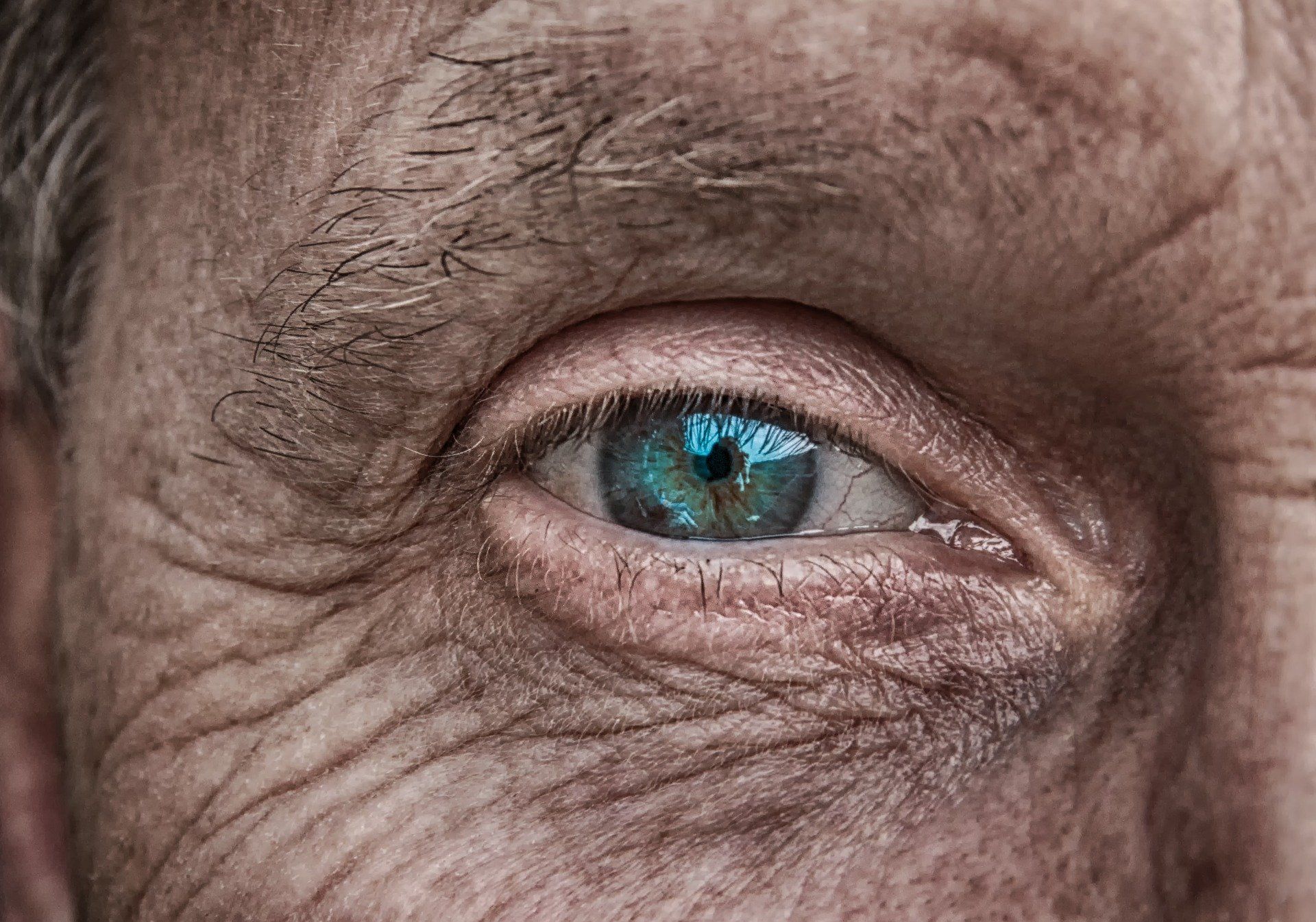
Close-up of an older person's eye, blue iris, wrinkles, showing age and experience.

As you might expect, the clearest indicator of malnourishment is visible weight loss in the individual. If the weight loss is rapid, then this could be considered an emergent concern, so seek advice from your doctor. Find 10 senior healthy eating tips .

Being increasingly sedentary

 While unintentional weight loss is often a sign of problems, overweight and even obese adults can be malnourished if they are sedentary and regularly consuming unhealthy foods. See ways that older adults can lose weight.  

Loose clothing, jewelry, or dentures

Weight loss could be gradual over time, to the point that it might not be readily apparent to a senior or their loved ones. This could become apparent if you notice clothes that appear to be looser. Plus, jewelry and other accessories and even dentures could fit more poorly than before. Review dental health risks that the elderly should understand. 

A reduced appetite

Vegetables in a metal basket on a wooden surface: tomatoes, zucchini, peppers, and more.

A diminished appetite and hunger cravings is a major signal that malnutrition could be present in seniors and adults. 

Lack of interest in food or drink  

In addition to lower appetite, displaying reduced enjoyment or delight in food or drink items compared to before could be indicative of malnourishment. 

Tiredness

Due to a lack of proper caloric and nutrient intake, the body might be responding by demonstrating outward signs of exhaustion. Accordingly, this is particularly concerning if they display signs of being tired when they normally shouldn’t like upon waking up from a full night’s rest.

Easily fatigued  
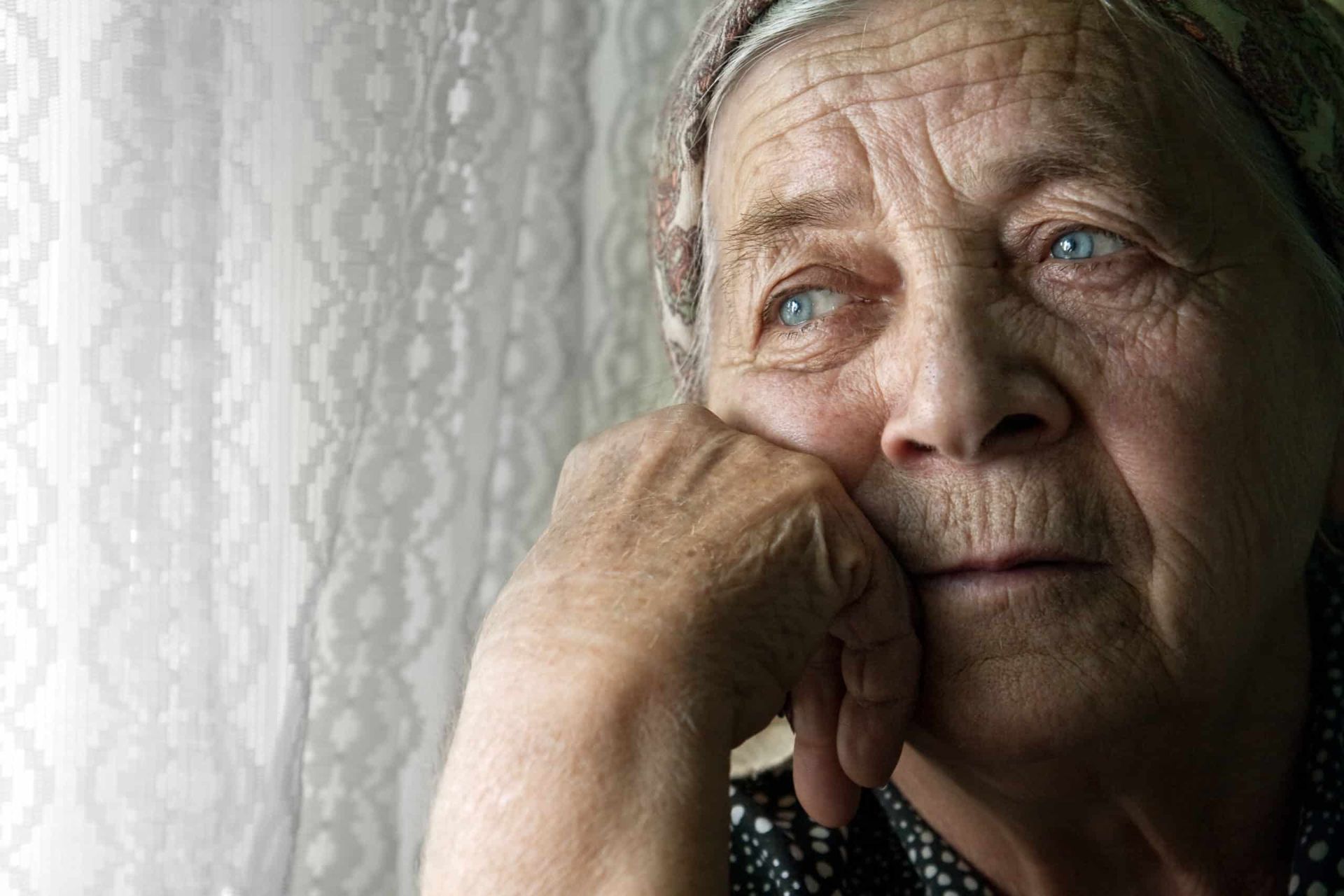
An elderly woman with blue eyes looks out a window, resting her chin on her hand.

If a senior or adult loved one shows signs of fatigue easily or after activity levels that wouldn’t normally make them worn out, be on the lookout for inadequate food intake leading to malnourishment.

Altered mood

Unhealthy eating patterns can cause mood swings. This is due to nutritional imbalances and blood sugar swings that could be a result of malnutrition. As a result, your mood and emotional well-being can suffer.

Chronic conditions and medications


Clear, yellow softgel pills spilling from a white bottle.

Watch out for medications that could lead to malnutrition.


Different medicines and diagnoses can affect nutrition requirements. For example, some drugs can cause nutrients to be depleted in the body ,creating different deficiencies in the body for needed vitamins and minerals. 

Age

The ability of seniors to absorb and use many nutrients becomes less efficient over time. Consequently, their nutrient requirements actually increase. To compare, people over the age of 70 have a different set of nutritional needs than individuals over the age of 65.

Traumatic events

Experiencing loneliness , grief, or depression, such as through the loss of loved ones or death of a spouse, can adversely impact healthy eating habits.

Wounds won’t heal or bruising occurs easily
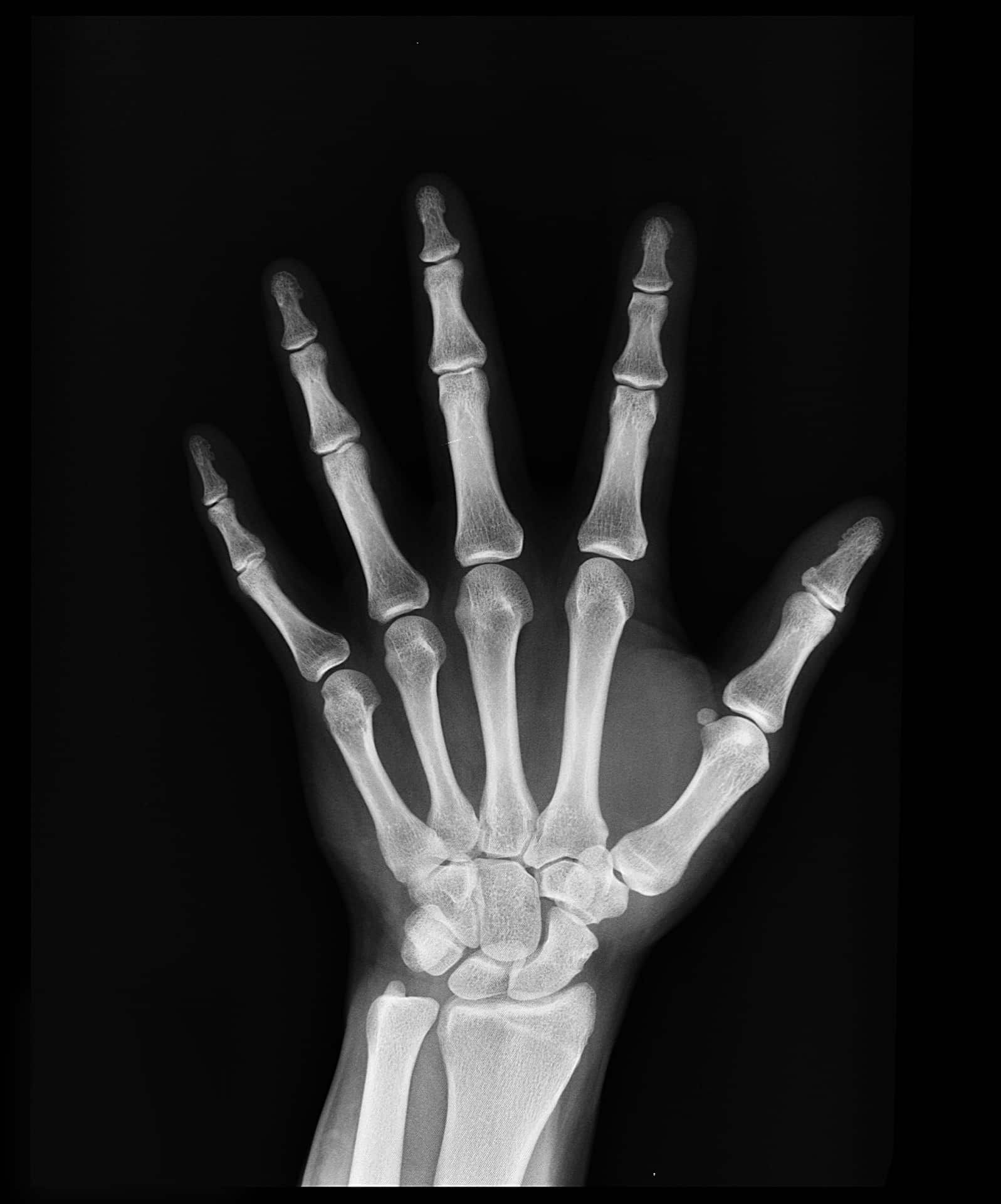
X-ray of a human hand, showing bones in detail against a dark background.

Your body’s ability to respond to trauma are diminished when malnourished. As a result, bruises or cuts on the body might take an unusually long time to improve or heal. 

Gastrointestinal health issues  

The GI and digestive system could be impacted by malnutrition. Because of this, look for upset stomach, diarrhea, bloating, and other problems as a byproduct of poor nutrition.

Newly prescribed medications

Knowing that some medications can inhibit the body’s ability to absorb certain nutrients, be proactive in finding them early. As a result, pay special attention if new medicines cause appetite and digestion concerns and alert your doctor right away. 

As you can see, a variety of underlying medical conditions, lifestyle factors, and other issues can lead to poor nutritional status in seniors. Malnourished individuals are at greater risk of developing an infection and bedsores. Plus, a large number of patients that fall in a hospital display signs of malnourishment. By looking out for the warning signs of malnourishment, you or your loved one can make changes that improve dietary outlook and overall health. 

Caregiving for loved ones to prevent malnutrition

Home care services are a great way to ensure that your loved one’s nutritional needs are being met when you can’t be there yourself. Dedicated caregivers can assist with preparing meals and be proactive in monitoring a senior’s eating habits .

Malnutrition poses a threat to a senior’s health and should never be ignored. Contact Chosen Family today for a free consultation on how caregiving can help your loved one. We proudly serve the Philadelphia, Pennsylvania region. 

Recent Posts

Two people on a couch reading a book together in a bright living room
July 13, 2026
Learn how to protect older adults from Philadelphia's summer heat with practical safety tips, hydration advice, and home care support.

Healthcare worker in gray scrubs holding a clipboard, with a wheelchair user reading in the background.
April 30, 2026
Find qualified caregivers for home care services. Learn about caregiver qualifications & background checks. Contact us today!
Three people in a meeting, reviewing a document and discussing it at a table.
April 30, 2026
Understand Medicaid waiver home care services for seniors & individuals with disabilities. Contact us for personalized care solutions.
Woman showing laptop to two people at a table in a bright room
April 27, 2026
Learn why background checks for home caregivers are vital for family safety. Contact us for trusted care solutions.
Two women review documents at a wooden table with a laptop and coffee cups in a bright office.
April 23, 2026
Learn about payment options for family caregivers. Explore Medicaid programs & eligibility. Contact us for assistance!

Contact Us Today For Our Services